Local Land Conservation Trusts Announce Winners of Annual Photo Contest

The winner of the 2012 John G. Mitchell – Environmental Conservation Award is Mark Roger Bailey of California, formerly of Essex.

The winner of the 2012 John G. Mitchell – Environmental Conservation Award is
Mark Roger Bailey of California, formerly of Essex.

The Lyme, Old Lyme, Salem, Essex and East Haddam Land Conservation Trusts announced today the winners of their jointly sponsored amateur photo contest. The purpose of the contest was to focus on the celebrated and scenic countryside in those towns and its diversified wildlife. The ages of the photographers ranged from children to senior citizens.

This contest was made possible by the generous financial support provided by Lorensen Toyota, Oakley/Wing Group at Smith Barney, Evan Griswold at Coldwell Banker, Essex Savings Bank, ChelseaGroton Bank, Ballek Garden Center and Murtha Cullina LLP.

“There were so many wonderful pictures submitted that the judges had a difficult time selecting the winners” said Tony Sullivan, spokesperson for the conservation trusts.

The three independent judges are William Burt, a naturalist who has won acclaim for his books of wildlife photography: Rare and Elusive Birds of North America, Shadowbirds, and his recently released Marshes: The Disappearing Edens. Amy Kurtz Lansing, Curator at the Florence Griswold Museum and a Yale University doctoral candidate in the History of Art. She is also the author of Historical Fictions: Edward Lamson Henry’s Paintings of Past and Present and Rudy Wood-Muller, a photographic illustrator and designer. His first large exhibition was at the New York World’s Fair in 1964 and was followed by numerous other shows, including a one-man show at the Rochester Institute of Technology. A group of his photographs have been selected to be part of the Permanent Collection of the Metropolitan Museum of Art in New York.

“This year an additional award was given out to honor one of our prior judges, John G. Mitchell, who passed away” said Sullivan. “John, who was one of the editors at National Geographic, dedicated his career to writing about the environment and conservation, so the award was for the best picture reflecting that subject.”

The categories and names of the winners are:

JOHN G. MITCHELL – Environmental Conservation Award

Mark Roger Bailey, California (Formerly Essex)

LANDSCAPES/WATERSCAPES

First Place:  
Skip Broom, Hadlyme

Second Place: 
April Surprenant, Salem

Third Place: 
Alexandria Hollwedel, Ivoryton

Honorable Mentions: 
Tom Nemeth, Salem
John Sargent, Quaker Hill
Gerry Graves, Old Lyme

PLANTS
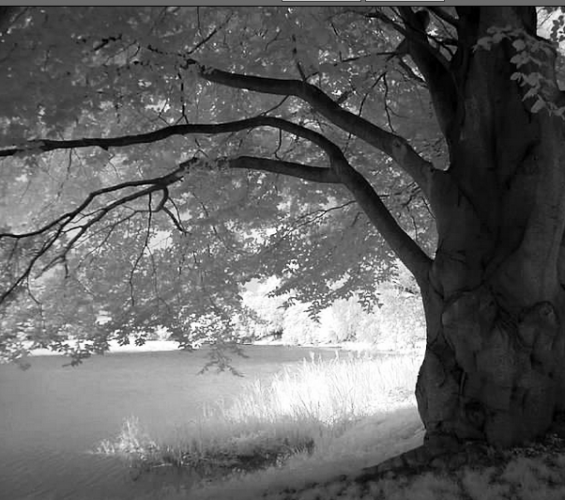
Skip_Broom

First Place  (photo above): 
Tony Sullivan, Lyme

Second Place:
Cheryl Philopena

Third Place: 
Skip Broom, Hadlyme

Honorable Mentions: 
Jessica Nemeth, Salem
Linda Waters, Salem
Marian Morrissette, New London

WILDLIFE

First Place:  
Skip Broom, Hadlyme

Second Place: 
Harcourt Davis, Old Lyme

Third Place: 
Cheryl Philopena, Salem

Honorable Mentions:  
Marian Morrissette, New London
Hank Golet, Old Lyme
Mark Roger Bailey, Essex

CULTURAL/HISTORIC
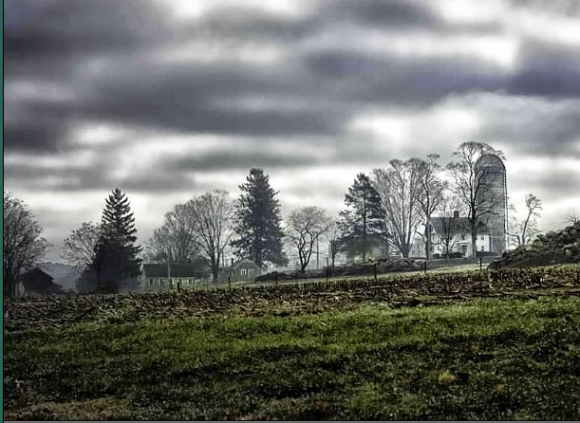
Skip_Broom_Cultural_1st

First Place (photo above): 
Skip Broom, Hadlyme

Second Place:  
Carol Giese, East Lyme

Third Place:  
Mark Roger Bailey, California (Formally Essex)

Honorable Mentions:  
Lionel Williams, Essex
Jacquelyn Sanders, Old Lyme
Donald Quigley, Old Lyme

YOUTH
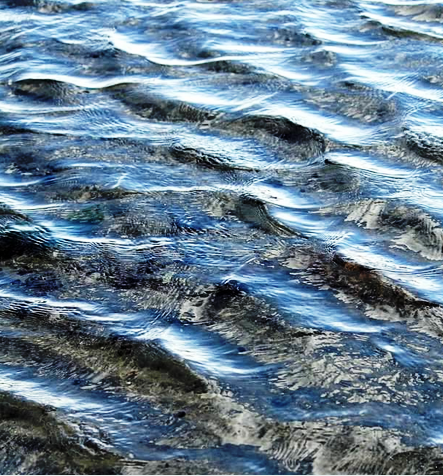
Youth_1st

First Place (photo above):  
Emma Pennie, Old Lyme

Second Place: 
Meghan Buckley, Haddam

Third Place: 
Courtney Briggs, Old Saybrook

Honorable Mentions:  
Rebecca Johnson, Colchester
Samantha Barretta, Lyme
Hannah Patten, Old Lyme

All the winning photographs will be available for public viewing at Phoebe Griffin Noyes Library at 2 Library Lane in Old Lyme during the month of April. The photos can also be seen at http://landtrustsphotos.shutterfly.com/ or on the web sites of each of the sponsoring conservation trusts.
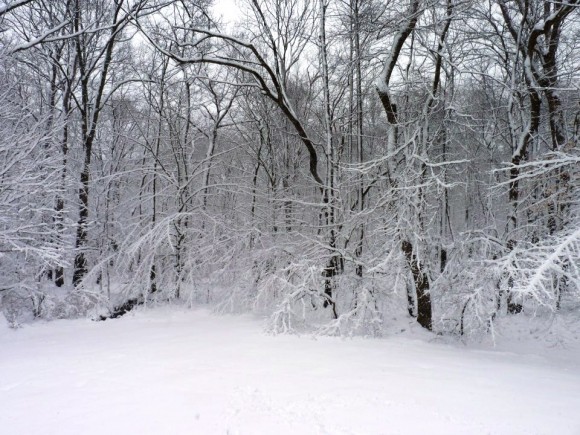

It’s Another (Snow) Day

Photo by S. Spina. A snowy view this morning in Old Lyme.

Photo by S. Spina.
A snowy view this morning in Old Lyme.

After some seven inches of snow fell overnight and with snow still falling, all Lyme and Old Lyme Public Schools are closed today, as is Lyme Academy College of Fine Arts.  After school activities are cancelled at all locations.

Both Lyme and Old Lyme Town Halls are open, and some stores are keeping their doors open too.


Op-Ed: Connecticut River System Highlights Role of People in Sustaining Nature

Dr. Frogard Ryan, State director, The Nature Conservancy in Connecticut

Dr. Frogard Ryan is State Director of The Nature Conservancy in Connecticut.

A fishway around a dam on the Mattabesset River in East Berlin might not seem to have much to do with Lyme and Old Lyme.  But the fishway The Nature Conservancy is building on the property of StanChem, a polymer manufacturing company about 35 miles from my home in Old Lyme, is good news—here and there.

As the Conservancy’s state director, I have a vested interest in the project’s success.  It’s no stretch, though, to say we all have an interest in this work.

The Mattabesset River is a tributary of the Connecticut River, and the elaborate U-shaped fishway being built near the StanChem complex will help improve the health of the river Lyme and Old Lyme area residents know and love as a neighbor.

That’s just for starters, though.

As I toured the site recently with StanChem President Jack Waller and Conservancy Connecticut Director of Migratory Fish Projects Sally Harold, I was reminded of a fundamental truth:  conservation is made possible by people, and if Connecticut’s natural resources are to be sustained into the future, it will be because people make it so.

River and stream connectivity is an important environmental issue and opportunity in our state.  The vast majority of dams in Connecticut are relatively small and privately owned.  Many of them no longer serve the purposes for which they were built; some are at risk of failures that could threaten public safety.

From an environmental perspective, dam removal can open access to upstream spawning habitats for migratory fish.  It also can restore the natural, swift-moving flows that support some native species, and it can enhance water quality by improving nutrient and sediment transport.

Removal isn’t always an option, of course, and that was the case with this project, where the impoundment created by the dam provides water that would be crucial for StanChem in case of a fire.  In such circumstances, a well-thought-out fishway is a great—if not always easy— alternative.

The fishway on the Mattabesset is designed so that American shad, alewife and blueback herring will be able to use it.  Because the old dam has been a complete barrier, none of those species has been above it in maybe 100 years.  All told, about 50 miles of habitat—including tributaries to the Mattabesset—will become available to them, improving the overall health of the Connecticut River system.

An embedded tube for migrating American eels is part of the project, too, and the Connecticut Department Energy and Environmental Protection will gather information from an observation room there for its “No Fish Left Behind” reports about monitored fish runs across the state.

Equally important, though, is how this project has happened.

A $308,000 Connecticut Department of Energy and Environmental Protection (DEEP) Ecosystem Management & Habitat Restoration grant, a $10,000 contribution from the Corporate Wetlands Restoration Partnership through Northeast Utilities, and private donations to The Nature Conservancy are helping pay for this work.  Of course, it also couldn’t happen without StanChem’s active buy-in.

With the state and the private and nonprofit sectors involved, the cooperation that characterizes this project is a model for conservation.

Still, it wouldn’t be possible without the commitment of individuals—people who want to make a difference.  Mr. Waller, whose buoyant enthusiasm for the project is infectious, comes to mind, as does DEEP Supervising Fisheries Biologist Steve Gephard, a long-time champion of the project.

A great deal of work was done last year to improve the health of Connecticut’s rivers and streams.  In East Berlin, Farmington, Stonington and elsewhere, there were real successes with dam removal and fish passage.

With so many of Connecticut’s dams privately owned, the future of this type of work depends greatly on individuals—including, I hope, some readers here—who see and cherish the opportunity to make a difference.  There are so many dams out there where work of real ecological value could be done.  Perhaps one of them is yours.

Editor’s Note: Dr. Ryan, who is the State Director of The Nature Conservancy in Connecticut, lives in Old Lyme.  The Conservancy’s Connecticut Chapter is located at 55 Church Street, Floor 3; New Haven, Conn. 06510-3029.

A Weekend Storm on the Way?

Kids_on_snow_pile_in_east_Haddam_by_H_Tyler

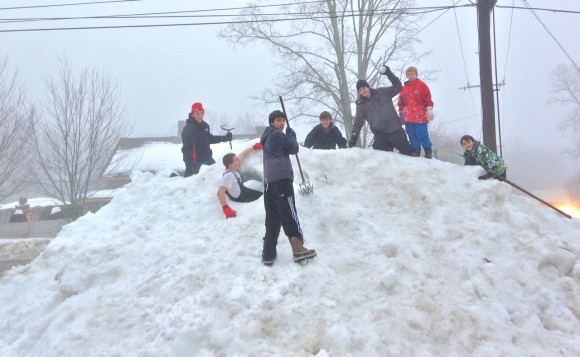
A reader kindly sent us this wonderful photo of a bunch of teens playing on a huge snow pile in snow pile in front of Hadlyme Country Store at intersection of Rte. 82 and Rte. 148 (Ferry Rd).  The youngsters had dug tunnels through the pile and were having a great time playing in the mountain of snow.

But that was Nemo … or was it Charlotte?

And now we’re asking will this coming weekend be the third in a row that southeastern Connecticut needs to brace for a winter storm?  At the moment, the forecasters are undecided how Winter Storm Q is going to track through our region, but it does seem likely that snow will be falling again over The Lymes on Saturday night.

What was that Punxsutawney Phil said about an early spring??


Enjoy an Exciting, Educational ‘Eagle Watch’ Cruise with the Connecticut River Museum

1302_2013FebEagleWatch_076-7

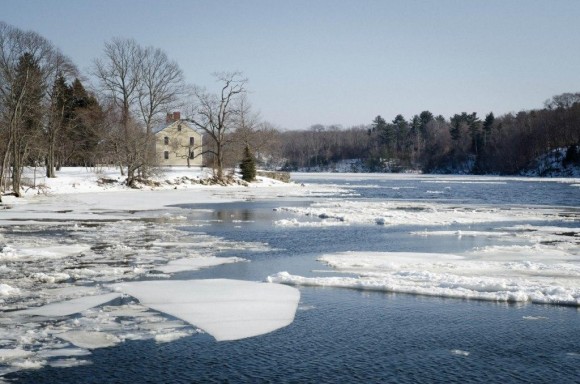
The picturesque view east into Hamburg Cove from the Connecticut River.

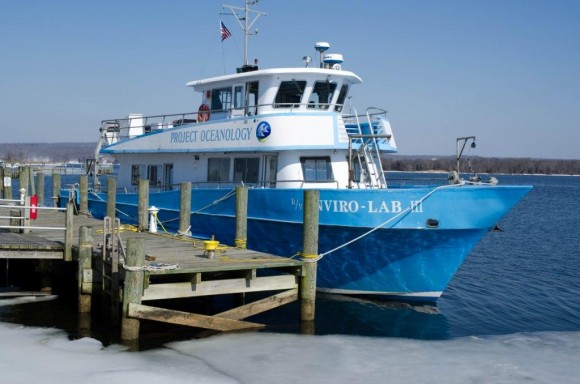
Last Friday was the perfect winter weather for a boat trip on the lower Connecticut River to view the wildlife and enjoy the experience of being one of the very few boats on the river during mid-February.  I was a guest aboard the 65 ft. Project Oceanology vessel Enviro-Lab III  for one of the “Eagle Watch” boat trips offered by Connecticut River Museum in partnership with Project Oceanology during February and March each year.  This is the fourth season the Connecticut River Museum has teamed up with the Groton-based marine science and environmental education organization, Project Oceanology, to provide a dynamic on-water experience.

The 65 ft Enviro-Lab III owned by Project Oceanology who have partnered with Connecticut River Museum to offer the Eagle Watch trips

The 65 ft. Enviro-Lab III is owned by Project Oceanology, who have partnered with Connecticut River Museum to offer Eagle Watch trips.

Although visitors to the river in winter can see many interesting avian species, the bald eagle is the one most visitors hope to see.   Declared an endangered species in 1973 with the passage of the federal Endangered Species Act, populations began to recover following the ban on DDT, and by 2007,  the bald eagle populations had recovered to the extent that they have now been removed from the endangered species list.  They are, however, still protected on the federal level by the Bald Eagle and Golden Eagle Protection Act of 1940 and the Migratory Bird Treaty Act of 1918.

Every winter a number of bald eagles migrate south looking for open water to feed as the lakes and rivers in Canada and northern New England  freeze.  Many of these birds stop in Connecticut and winter along major rivers and large reservoirs, and can been seen feeding and occasionally nesting on the banks of the Connecticut river.

1302_2013FebEagleWatch_024-3a

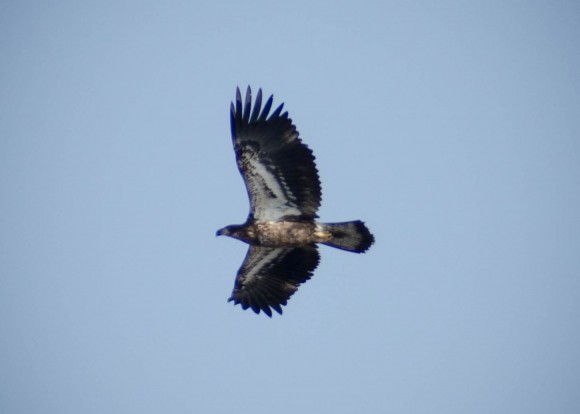
A juvenile bald eagle flies gracefully over the Connecticut River.

Although a sighting is not guaranteed, eagles are spotted on most trips.  On the first trip of the season, six adult eagles and eight juveniles were spotted.  On this trip, we were fortunate to spot our first young eagle soaring high above the boat minutes after casting off from the town dock as the boat headed north up river and then we saw several more eagles throughout the trip, some roosting in riverside trees and some gracefully circling above the river.

1302_2013FebEagleWatch_041-9

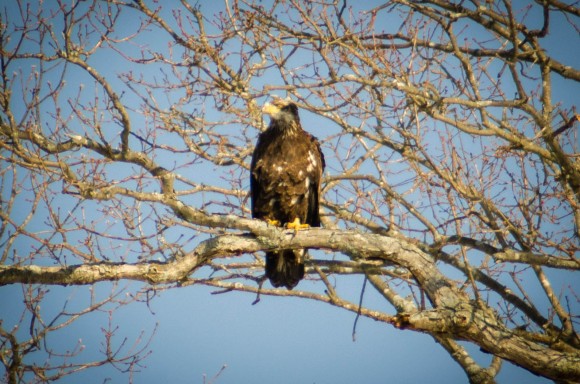
A juvenile bald eagle perches on a tree along the river bank.

Eagles nesting on Nott Island

One of the highlights of the trip was to observe, from a distance, the rare sight of an eagle on her nest on the eastern side on Nott island, just across the river from Essex harbor.  In the 1950s the bald eagle was no longer a nesting species in Connecticut but, according to the CT Department of Energy and Environmental Protection, in 1992 the state documented its first successful nesting of bald eagles since the 1950s when a pair raised two young birds in Litchfield County.  Since then, the nesting population has increased gradually and, in 2010, 18 pairs of bald eagles made nesting attempts in the state.

1302_2013FebEagleWatch_096-8

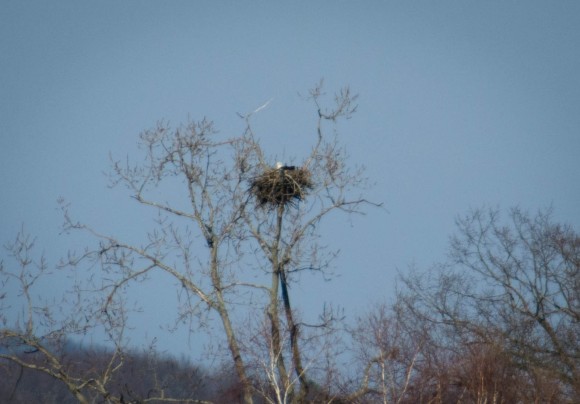
A female bald eagle sits atop her nest on Nott Island in the Connecticut River.

One such nesting pair is seen above on Nott Island.  The female was about to lay her eggs a week or so ago but was temporarily disrupted by Winter Storm Charlotte.  Hopefully, now that she is back on her nest, the eggs have been successfully produced.

“Let’s go out on the river and have some fun!”

The Eagle Watch boat trips are led by local expert naturalist and lecturer Bill Yule, who is an educator at the Connecticut River Museum.  He is not only an expert on most wildlife species found along the Connecticut River but also a renowned expert on local mushrooms and fungi.  Yule welcomed visitors aboard the trip with the invitation, “Let’s go out on the river and have some fun,” and throughout the trip he helped locate and identify birds, related historical stories about life along the river and made sure all the passengers were warm and comfortable with plenty of hot coffee.

Naturalist and lecturer Bill Yule provides interesting and informative information on all wildlife species seen along the river throughout the cruise

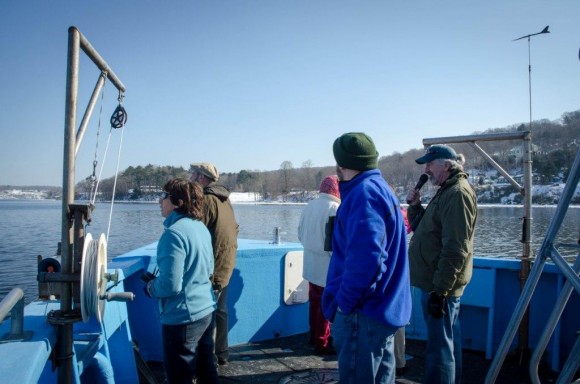
Naturalist and lecturer Bill Yule (right) provides interesting and informative details about all the wildlife species seen along the river throughout the cruise.

Yule was accompanied by two educators from Project Oceanology, Chris Dodge and Danielle Banco, who cheerfully helped identify interesting birds and assisted the boat captain with docking and navigating up and down the river between the ice flows.

Bald eagles are certainly not the only avian species guests can enjoy on the trip and on this particular voyage, we enjoyed numerous sightings of  cormorants, black-backed gulls, red-tailed hawks and common merganser ducks.

We returned to the town dock some 90 minutes after departure excited by all the birds we had seen and moreover, educated about them, and, despite the cold, I am confident I am not the only traveler on that voyage who will be taking another trip later in the season.  All in all, it was an awesome experience!

1302_2013FebEagleWatch_026-4

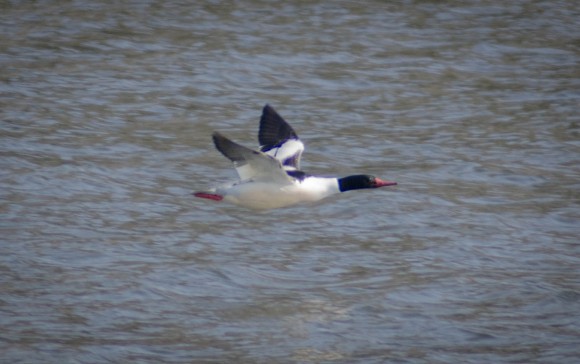
A common merganser duck in full flight above the river.

February Vacation Week Programs

The Connecticut River Museum is also offering a week-long program of vacation week activity for the February school break starting tomorrow, Feb. 19.  In addition to an Eagle Watch adventure on Friday, Feb. 22, the program will also include a day exploring the many galleries in the museum, an outdoor exploration day including a nature hike and animal tracking, and an arts and crafts day building models boats, learning knot tying and other maritime arts.

1302_2013FebEagleWatch_009-2

An avian wildlife exhibit in a Connecticut River Museum gallery.

To make reservations for the vacation week program or for more information about Connecticut River Museum educational programs or Eagle Watch Tours, visit www.ctrivermuseum.org or contact Jennifer White Dobbs in the Education Department at jwhitedobbs@ctrivermuseum.org or Bill Yule, also in the Education Department, atbyule@ctrivermuseum.org.

Project Oceanology in Groton also offers Winter Seal Watch trips during weekends in February and March.  These two and a half hour trips travel out into Fishers Island Sound to view these playful creatures, which are abundant in this area.  The ticket price of $25 (adults) and $20 (children) also includes a 20-minute slide presentation.