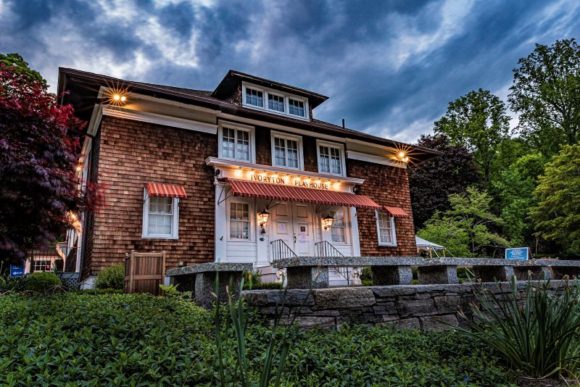
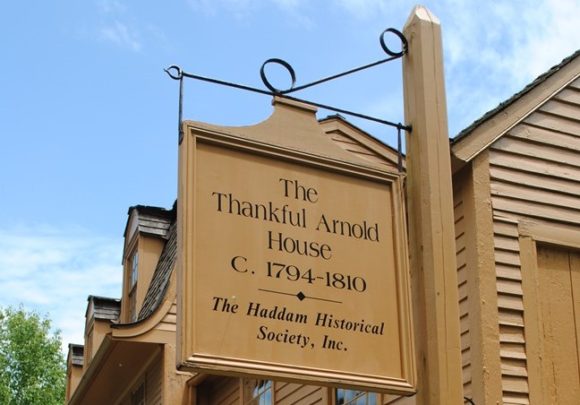
Exterior of the Thankful Arnold House in East Haddam.
AREAWIDE — Lisa Malloy, executive director of the Thankful Arnold House as well as the Haddam Historical Society, has been an almost one-woman show ever since she started working at her small historical house over 17 years ago. However, she—as well as many other Connecticut museums—have seen the tide shift from when she first arrived: foot traffic has dwindled.
“Connecticut has a wonderful collection of museums and historic sites each with a special story to tell. We all share similar issues—fundraising, getting volunteers, programming ideas, board issues, and so on,” chuckles Malloy. “I can say that all small historical societies and museums are intensely dedicated to their sites and missions and love sharing their stories with others.”
According to the state of Connecticut’s official tourism website, Visit CT, there are over 200 museums, historical houses and galleries in Connecticut, all with something impactful to share. Paving the roads to the past, however, come at a price with many museums pushing to overcome struggles with finances, foot traffic and successful marketing in their own way.
The Fight for Foot Traffic
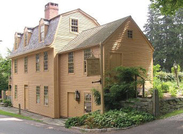
The Thankful Arnold House.
The Thankful Arnold House may be a small museum but its historical significance packs a punch. Located in East Haddam, Conn., the Thankful Arnold House is an 18th century historical house museum that used to belong to Joseph Arnold and his wife, Thankful Arnold.
Although Malloy had some footing in her earlier days of working for the Thankful Arnold House, things weren’t as great as they could have been. Malloy’s relationship with one of their fundraisers was a bit shaky and things needed to be improved upon within the exhibits.
“The Thankful Arnold House and Haddam Historical Society were on fairly firm ground when I started in 2002,” said Malloy. “However, our ability to share Haddam’s history, display artifacts and have exhibits was non-existent. Also, our reliance on our one big fundraiser was precarious and we did not have a website.”
Although Malloy has a variety of people who use and visit her museum throughout Connecticut, many of those are out of town guests who generally only come once on vacation or are in the area visiting.
“We try to appeal to them as a small one-on-one experience where you can learn about 19th century women and a typical middle-class family of the lower Connecticut River,” said Malloy.
Malloy explains that she understands the fight for getting people through the door and just like many other museums, turned to foot traffic during these times and hoped that funding followed close behind.
“To keep old visitors returning we have instituted a changing local history display,” said Malloy. “We have offered different types of tours such as what a 19th century wedding would have looked like, candlelit tours. We also get visitors to return using our garden and by offering different programs. In addition, we hold different talks and craft programs on-site, which draw return visitors.”
Malloy also implemented an online presence to attract a newer audience for the museum with an in-depth website, which has been called “one of the best historical society websites in the state” according to CT Museum Quest.
“We now also are active on social media and try to bridge the gap between the generations of newsletters and blogs by sending out a bi-monthly e-newsletter,” said Malloy.
After implementing these techniques, Malloy and the Haddam Historical Society found themselves with sold-out events with one of their biggest hits being their October tours of a local historical jail, when almost 600 people attended.
“Our local support has quadrupled,” Malloy said. “We also have developed a fundraising strategy where we have a large event yearly, usually social with a history twist, which has been extremely successful.
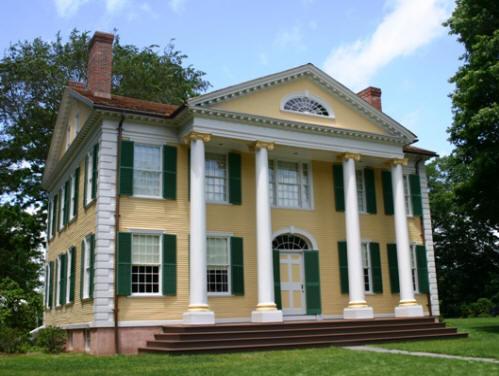
The Florence Griswold Museum in Old Lyme is known as the Home of American Impressionism.
Down the Connecticut River, Tammi Flynn, Marketing Director of the Florence Griswold Museum in Old Lyme, had similar beginnings when she first started working for the museum in 1999 and found that exhibitions, events and attractions helped increase foot traffic.
The Florence Griswold Museum is both a historical house, which was once owned by Florence Griswold herself, who rented out her home to fellow artists that happened to stop in Old Lyme. Griswold’s house soon became a hub for the growth of American Impressionism and the artists who pursued their craft there became known as the Lyme Art Colony.
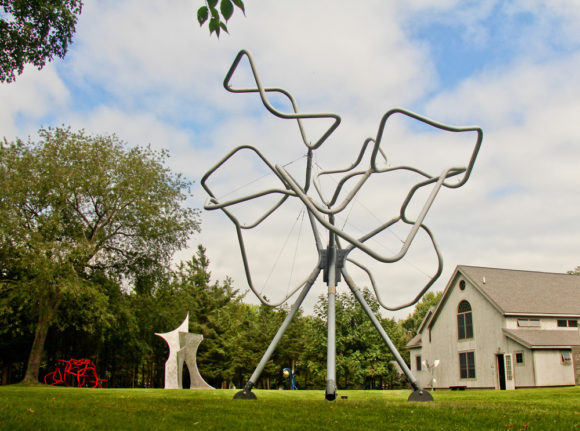
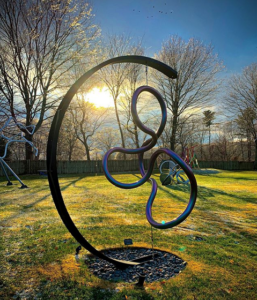
Alongside a historical house that you can tour, the museum also features an art gallery, two barns used for workspaces for aspiring artists, a garden, seasonal café and even a boardwalk along the Lieutenant River where the museum is located.
“Our exhibitions have ranged from contemporary art to schoolgirl needlepoint,” said Flynn. The historic house is always a draw for people and the grounds are extraordinary, especially since we opened the Artists’ Trail last summer.”
At the Fate of Finances
“Funding will always be the most difficult and important issue for small museums and historical societies,” said Malloy.
Although the Thankful Arnold House and Florence Griswold Museum found success in funding with their foot traffic, many that aren’t as lucky often seek out help from organizations such as the Connecticut Humanities (CTH), which can supply museums with grants and the source funding they need, plus Jason Mancini, Executive Director of Connecticut Humanities, is prepared to lend a hand.
“Since joining CTH just over two years ago, I have been rebuilding the financial foundation and strategic direction of a struggling organization,” said Mancini.
Mancini understands the financial struggles with keeping a museum afloat, as he struggled with similar problems with funding and foot traffic while he was the Director of the Mashantucket Pequot Museum for 22 years up until he joined CTH in 2017.
“At the time I became director of both organizations, they were struggling financially and with overall leadership vision and direction,” said Mancini. “The Pequot Museum essentially had one significant funding source and operating the museum required about half of the budget to support the physical building, an enormous undertaking that was always a fixed or increasing cost; staff size and composition was subjected to budgetary winds.”
According to the CTH website, the organization offers a handful of different grants as well as programs to increase foot traffic and funding such as their Steps CT program, where local museums, historical societies, and other cultural organizations can learn to fine-tune their organizations’ operations to increase services to their audiences.
Museums such as the Florence Griswold Museum as well as the Thankful Arnold House have used these types of programs to help foot traffic as well. The CT Art Trail, for example, is a nationally recognized partnership among 21 Connecticut museums to promote their businesses and CT Historical Gardens, which is dedicated to showing off 15 historical gardens in Connecticut.
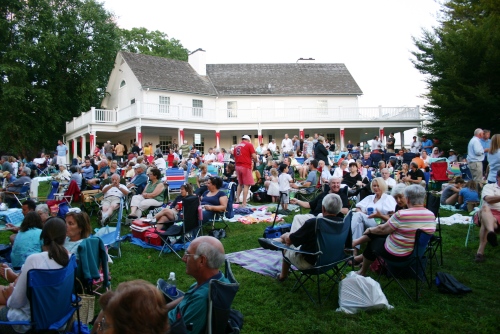
The Florence Griswold Museum hosts numerous community events including a concert the evening before the Midsummer Festival in its ongoing efforts to engage with the local community.
Marketing within the Community
Flynn has found while working for the Florence Griswold Museum that connecting with a community–let alone one that is already passionate for art– is a strong marketing tool.
“We are gathering places for the community. Museums are not passive places,” said Flynn. “Gone are the stodgy buildings of painting after painting with boring labels. In a museum today you might find an artist doing a sketching demonstration, an interactive monitor, a musician, a hands-on project, you name it!”
Aside from the use of frequently-changing attractions and events, the Florence Griswold museum is constantly interacting with the community since, among many other ways, they host field trips for the local schools as well as participate in the town’s Memorial Day parade.
Flynn and the board of trustees at the Florence Griswold have learned that working with a community and creating a relationship with them creates a draw that not only brings people through the door but also, in turn, helps with funding.
“Art is a big part of Old Lyme’s history and what sets it apart from other towns. The museum helps to present that story,” said Flynn. “I feel that once people visit, they are hooked and will return. We often conduct visitor surveys and time after time, people respond that it’s the experience as a whole that they enjoy and often call their time at the museum ‘magical.’”
Malloy at the Thankful Arnold House attempted this technique as well when they hosted an exhibit, which focused on local artists and historical properties around town.
“We have been told it was one of the best tours people have ever attended,” Malloy said.
Although museums and historical societies throughout Connecticut continue to have different levels of struggle to keep their doors open, it’s apparent that each one of them powers through in pursuit of a united mission: to share the past with the present and keep its story alive.
“Connecticut’s museums and historical societies are small windows into our collective past–the people, places, ideas–that have shaped our society today and will continue to shape it in the future. For Connecticut, this is our best source material about where we live and why it matters,” said Mancini.